


Tanzanite Blue vs Velvet Blue
Velvet Blue and Tanzanite Blue might seem to occupy a similar place within BMW's Individual palette. Both are metallic blues with a subtle purple influence, yet they achieve their appearance in very different ways and are easily told apart.
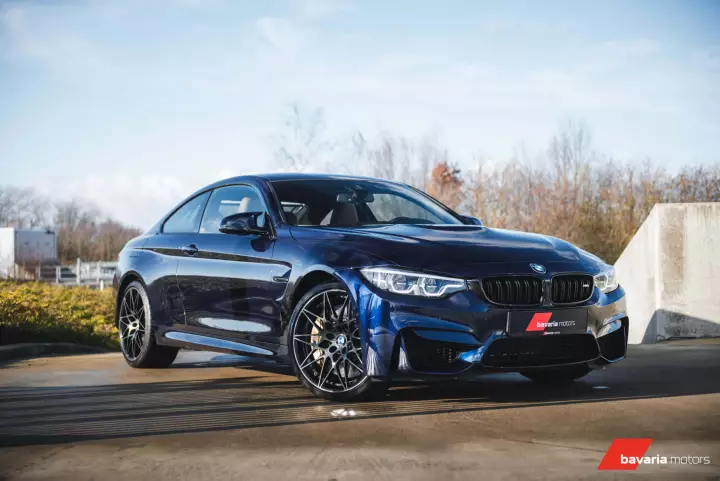
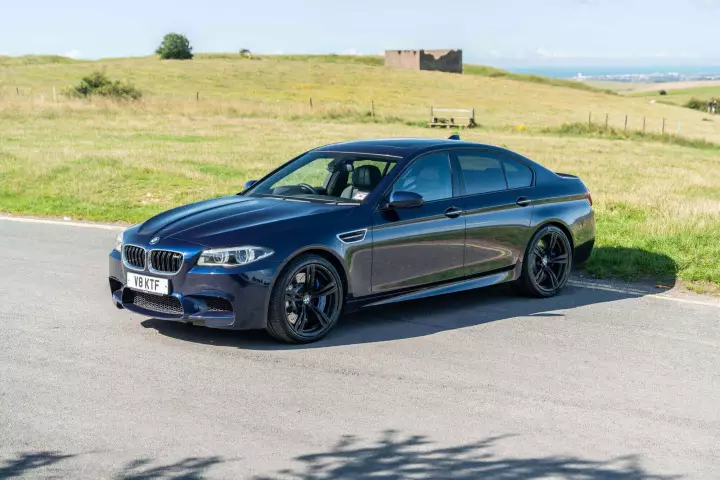
Tanzanite Blue is built around an exceptionally dark blue basecoat. In lower light it can appear almost black, with only traces of blue visible until the metallic flake catches the sun. Once illuminated, the paint livens up dramatically, revealing a deep sapphire blue with a pronounced metallic sparkle that gives the color exceptional depth. This strong light-to-dark transition is one of the reasons Tanzanite Blue has become one of BMW Individual's most recognizable colors.
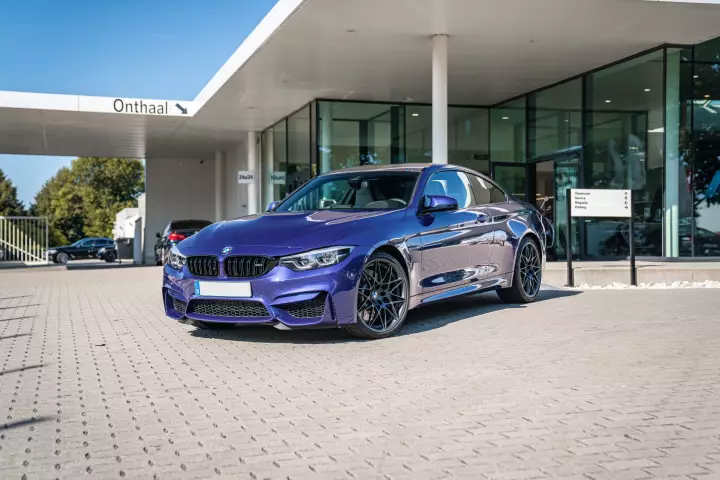
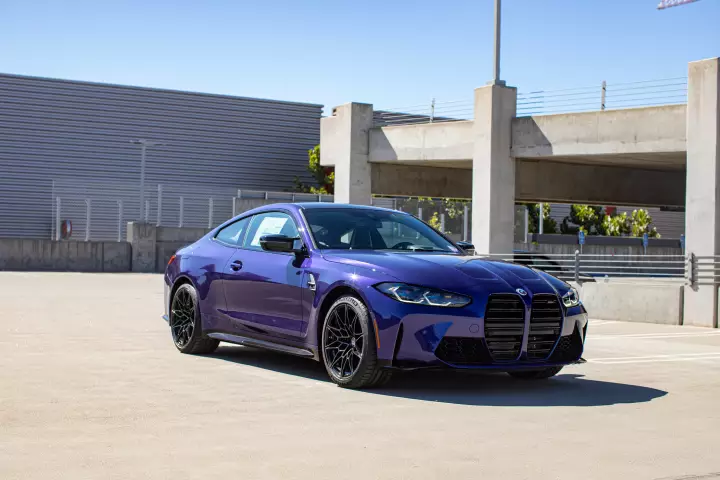
Velvet Blue takes a different approach. Rather than relying on a very dark base, it starts from a brighter, more saturated blue, allowing its subtle violet undertone to remain visible in almost every lighting condition. The metallic effect is also much finer and less dominant than on Tanzanite Blue, making the color feel smoother and more consistent across the bodywork instead of dramatically changing character as the light moves across it.
Seen here side by side on the F80 M3, the difference couldn't be more clear. Tanzanite Blue emphasizes contrast and depth, transitioning from an almost black finish to a rich metallic blue in sunlight. Velvet Blue is more colorful from the outset, maintaining a vibrant blue appearance with a noticeable purple tint that gives it a softer, more distinctive personality.
Although Tanzanite Blue is by far the more common choice, Velvet Blue remains available through BMW Individual today as one of the rarer blues and offers a unique alternative for those looking for a color that sits somewhere between a traditional metallic blue and a subtle blue-violet.

Conversation
No comments yet.
Be the first to start a conversation.
Login or create an account to join the conversation.